ELECTRICITY
The Electrical Professional Technician Major is an exciting and challenging option for those interested in the world of energy and technology.
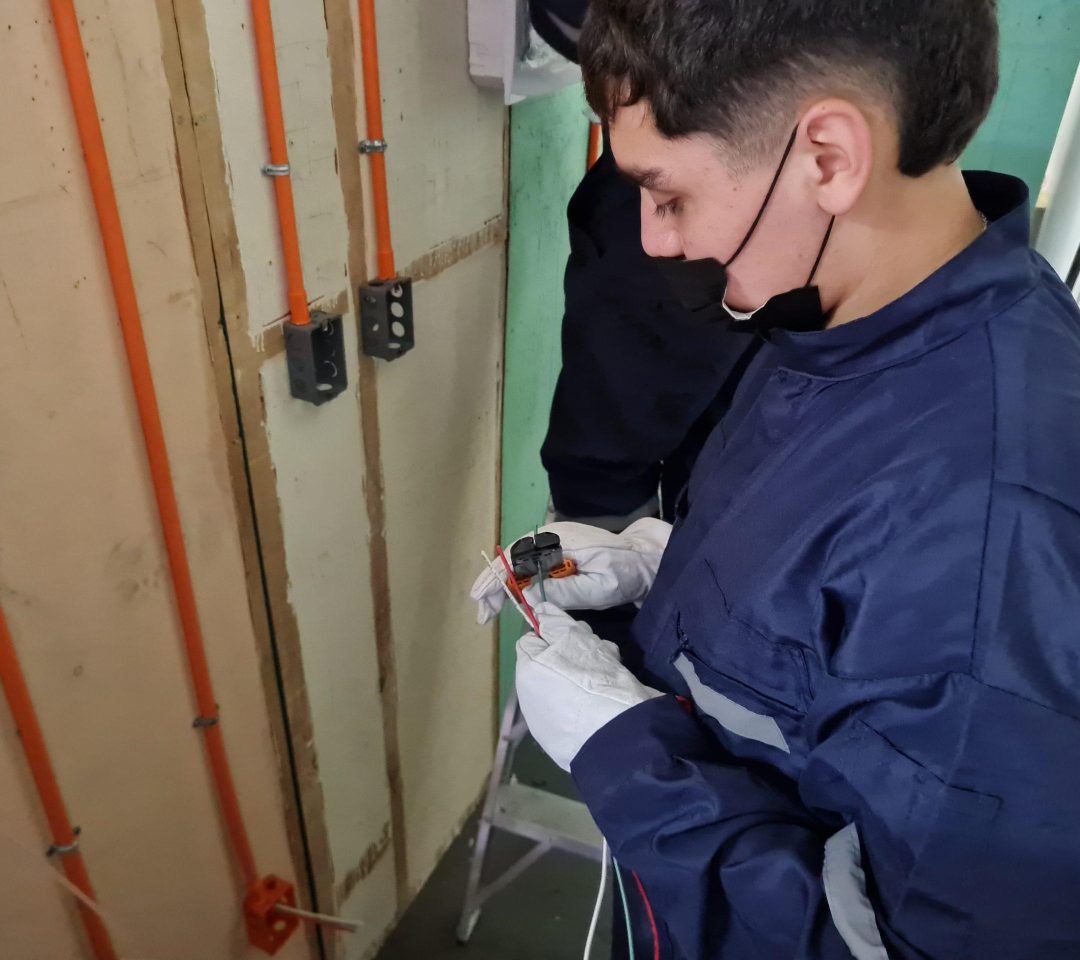
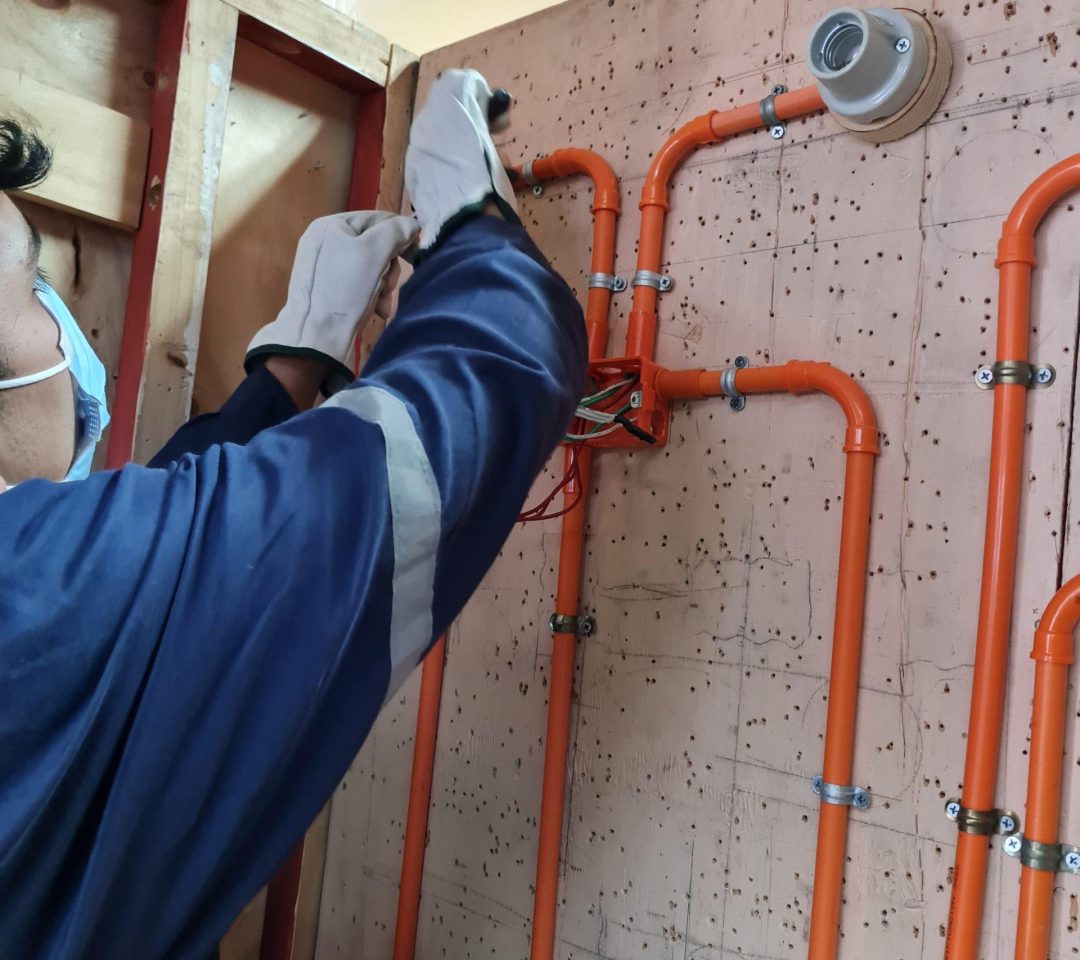
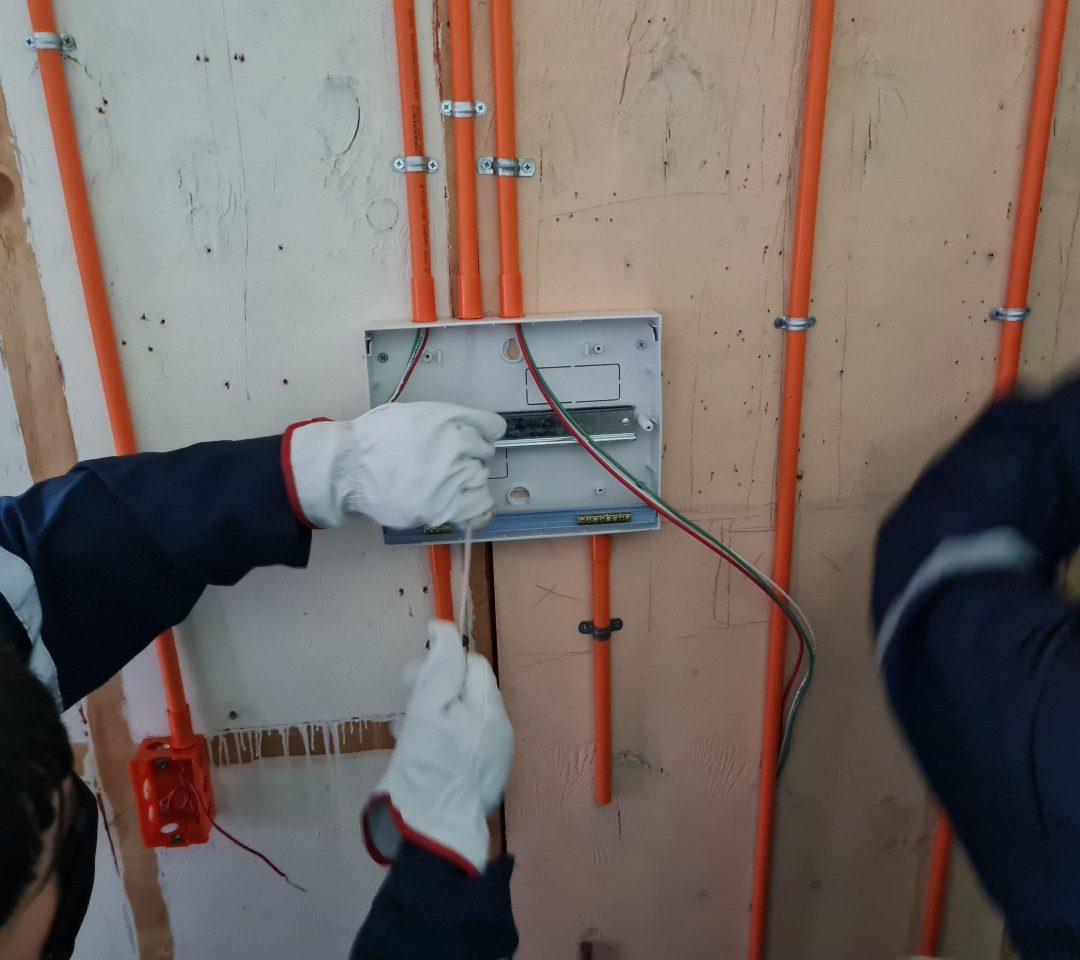
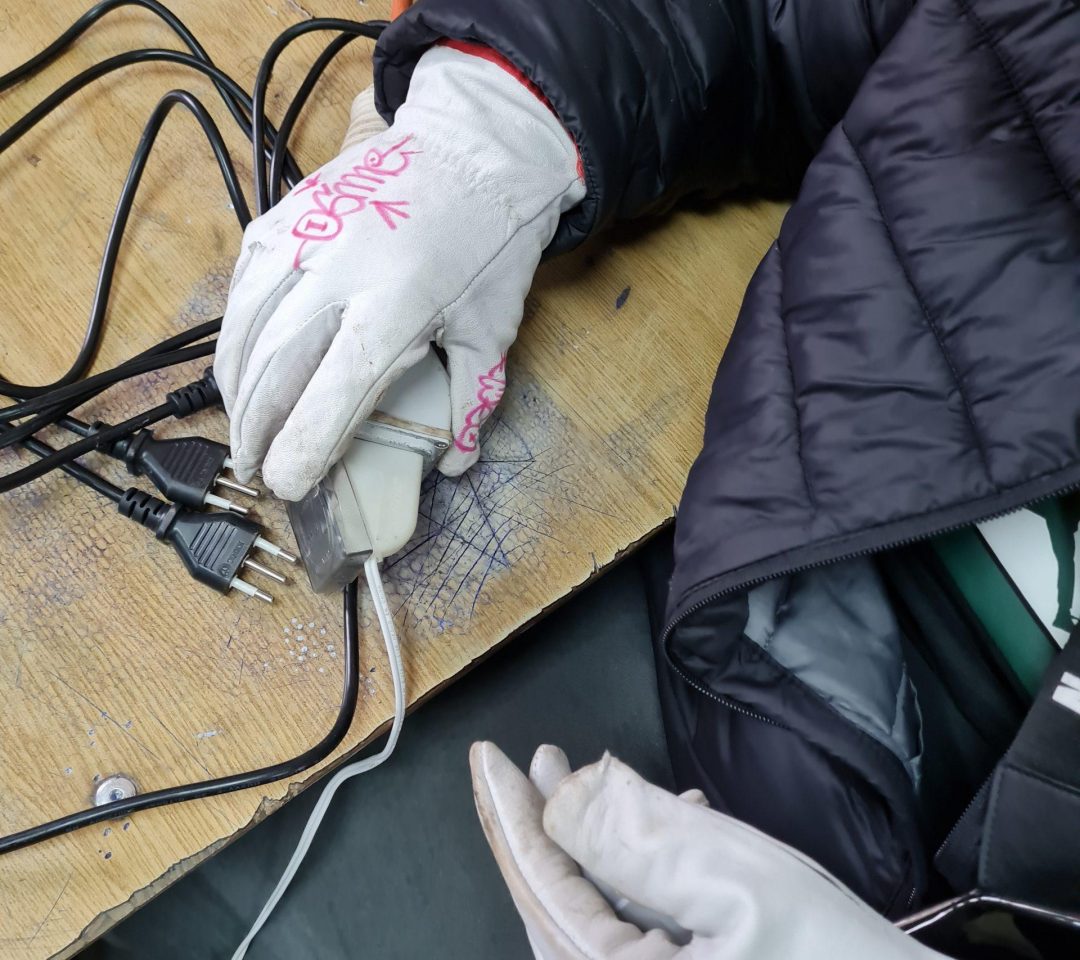
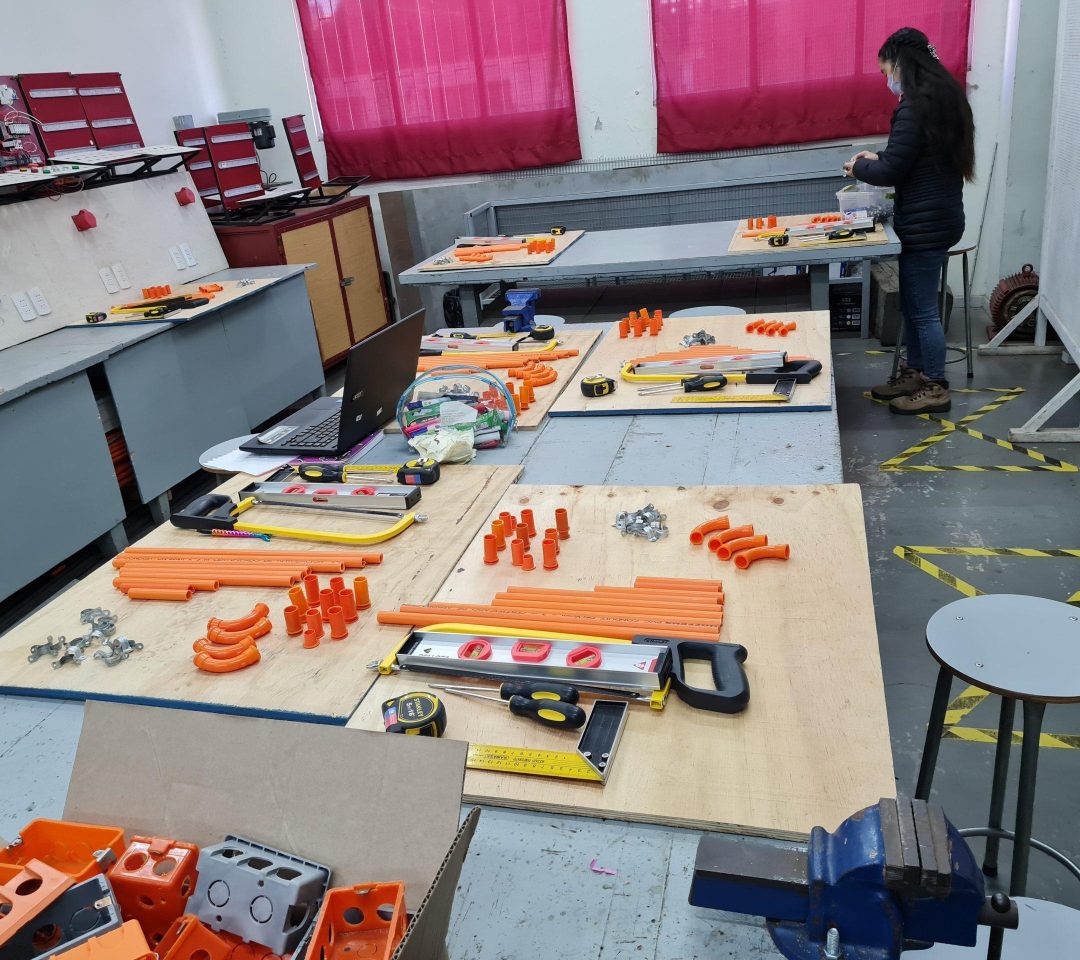
In this major, students learn about the fundamental principles of electricity, electronics and electrical circuitry, as well as the practical skills needed to install and repair electrical systems in a variety of settings. In addition to learning about theory and practice, students also develop important skills such as teamwork, problem solving and effective communication.
After graduation, students can find a wide range of specialty opportunities in areas such as residential and commercial electrical system installation and repair, renewable energy, and electrical project management.
Graduation profile
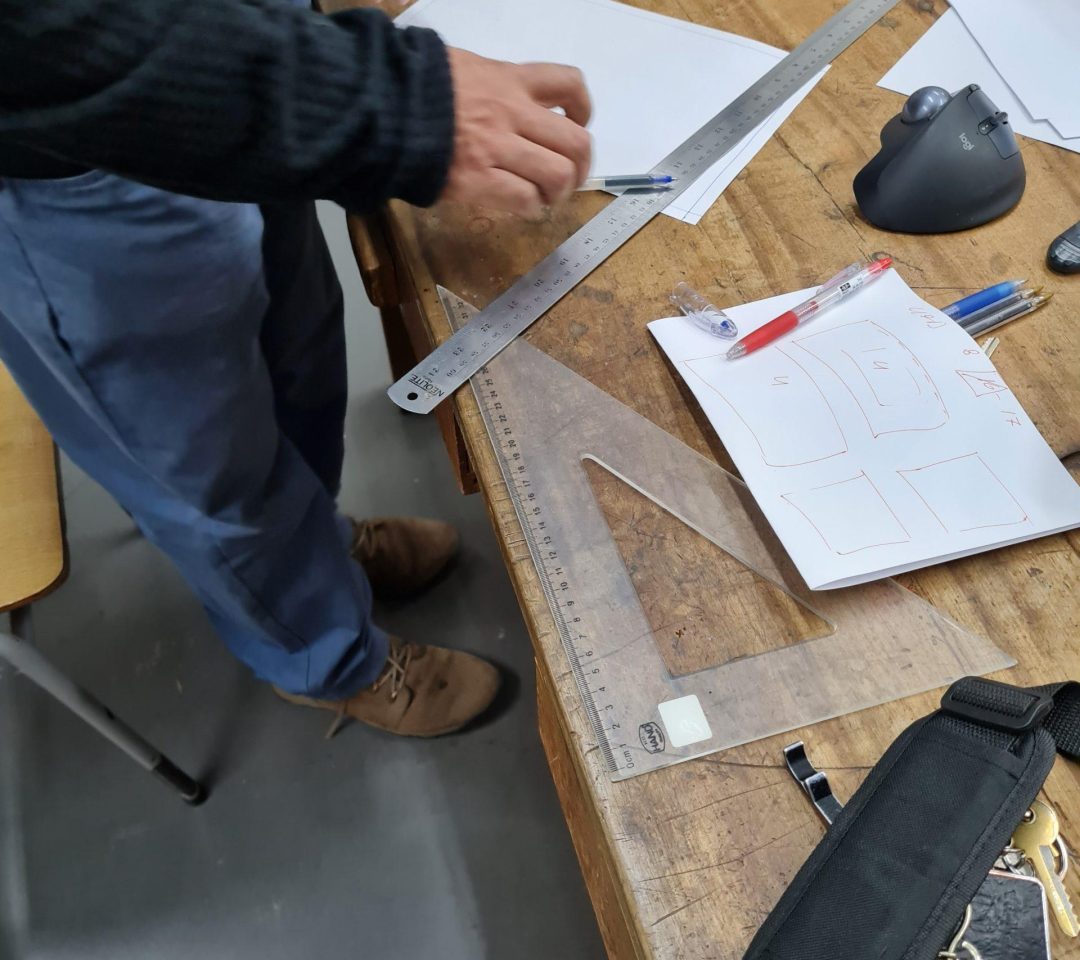
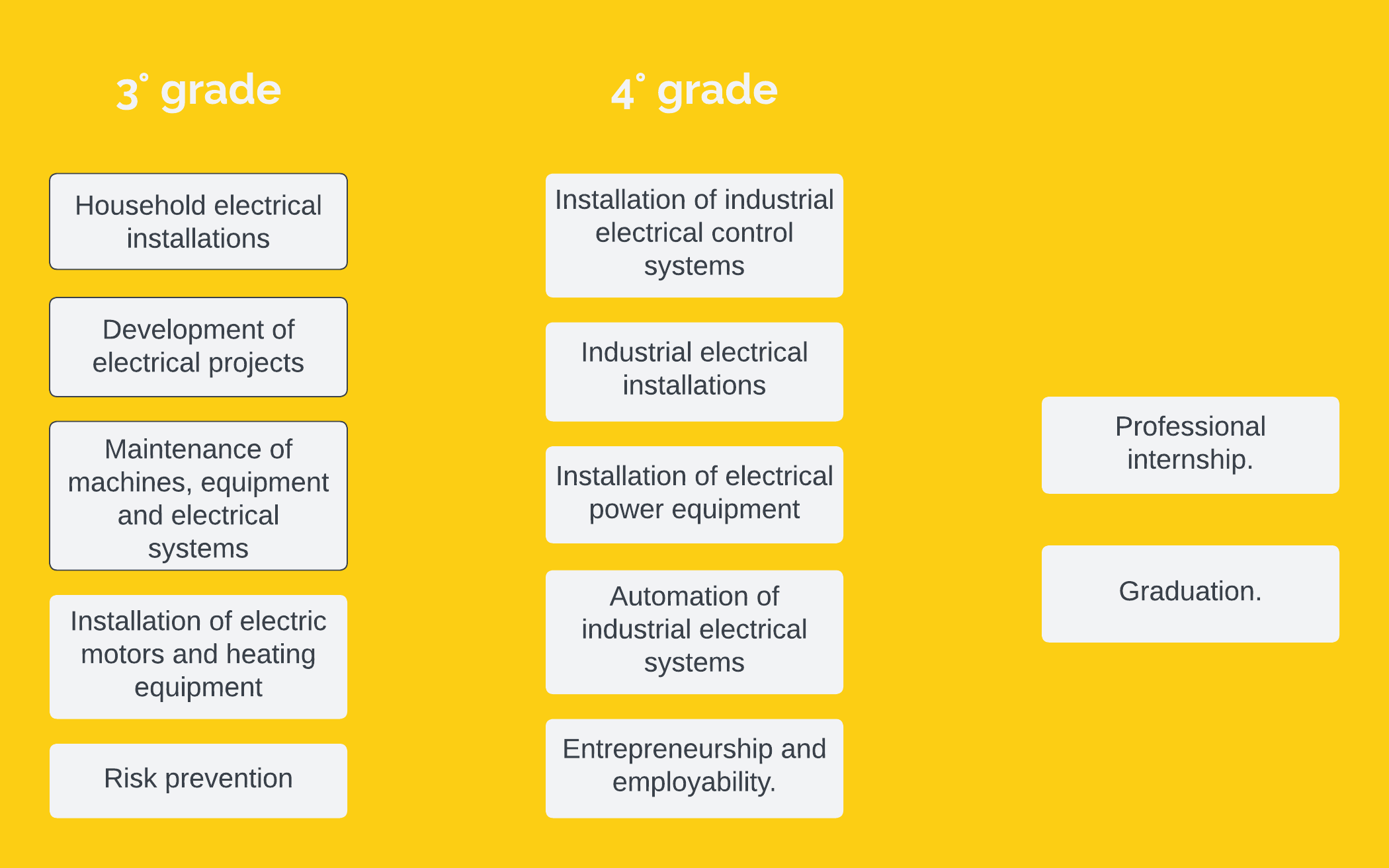
- Read and use technical specifications, drawings, diagrams and electrical installation projects.
- Draw electrical circuits with CaD software on free floor plans, applying current electrical regulations.
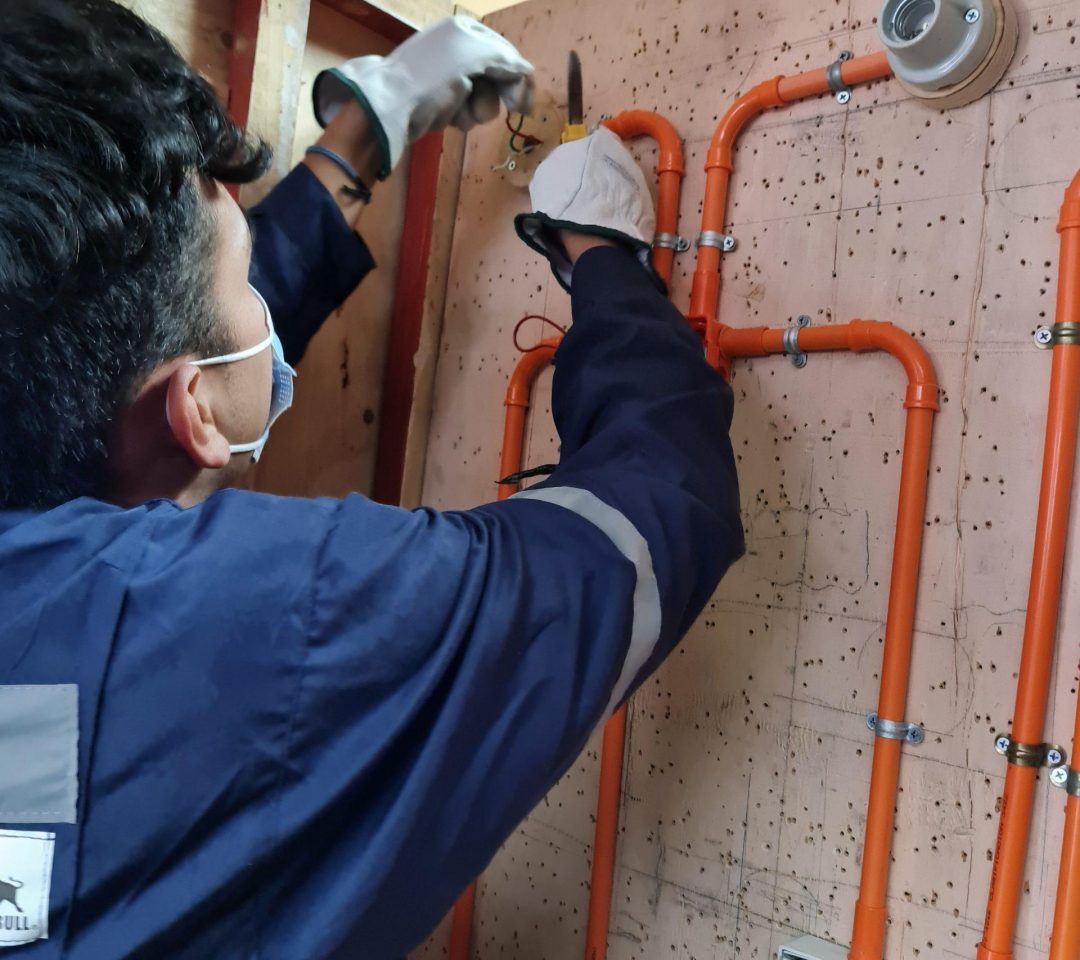
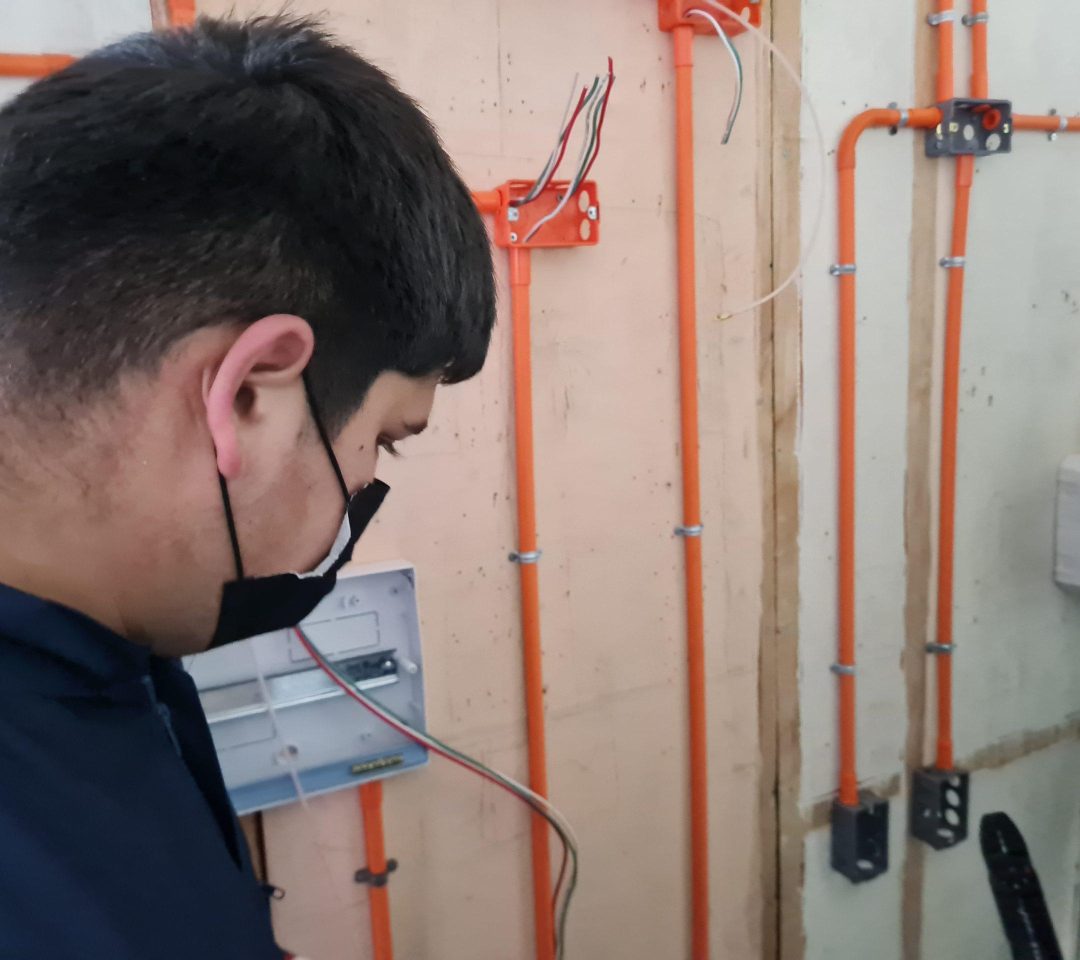
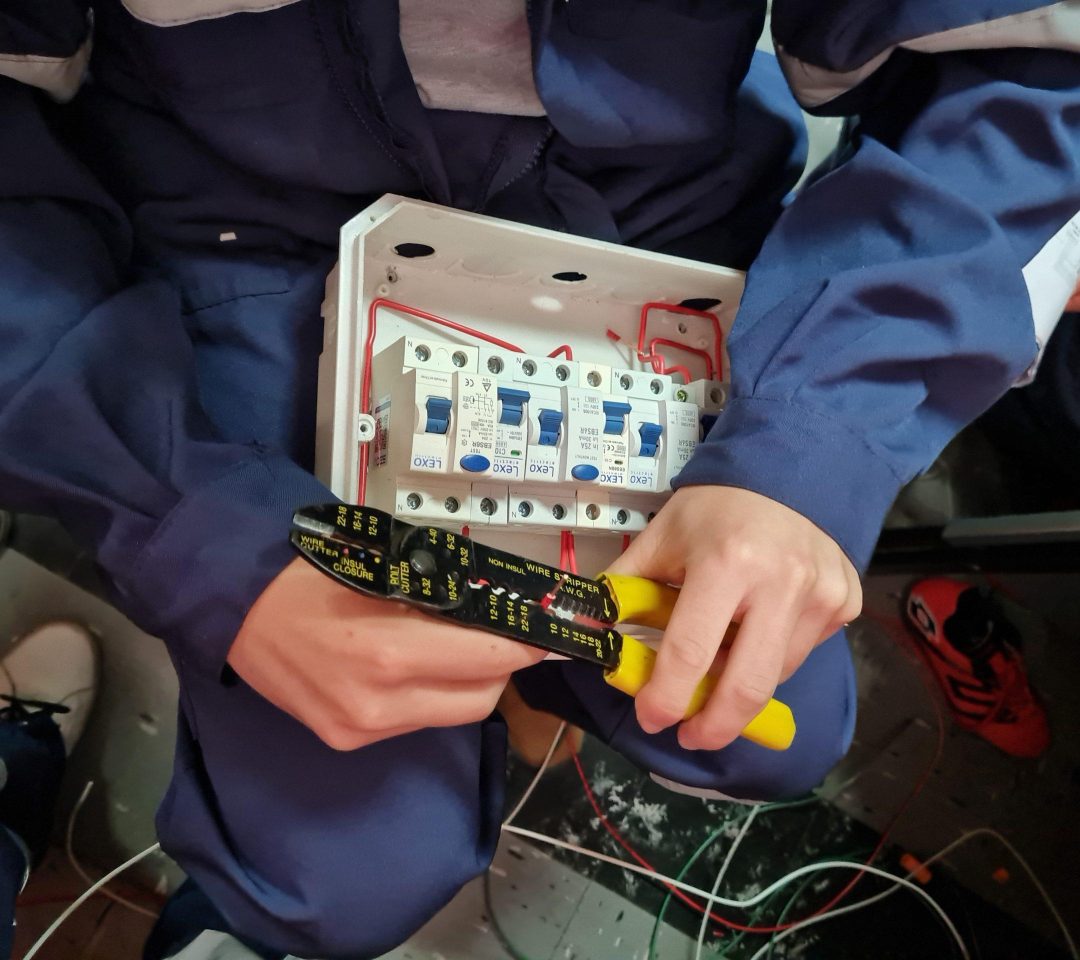
- Execute low voltage lighting installations with a maximum of 10 kW of total installed power, without feeders, applying the electrical regulations in force, according to the plans, calculation memory and budgets with materials and labor costing.
- Execute heating and motive power installations in low voltage, with a maximum of 5 kW of total installed power, without feeders, applying the electrical regulations in force, according to the plans, calculation memory and budgets with materials and labor cubicle.
- Cuantify materials and supplies for low voltage electrical installations, according to drawings and technical specifications and applying the corresponding mathematical principles.
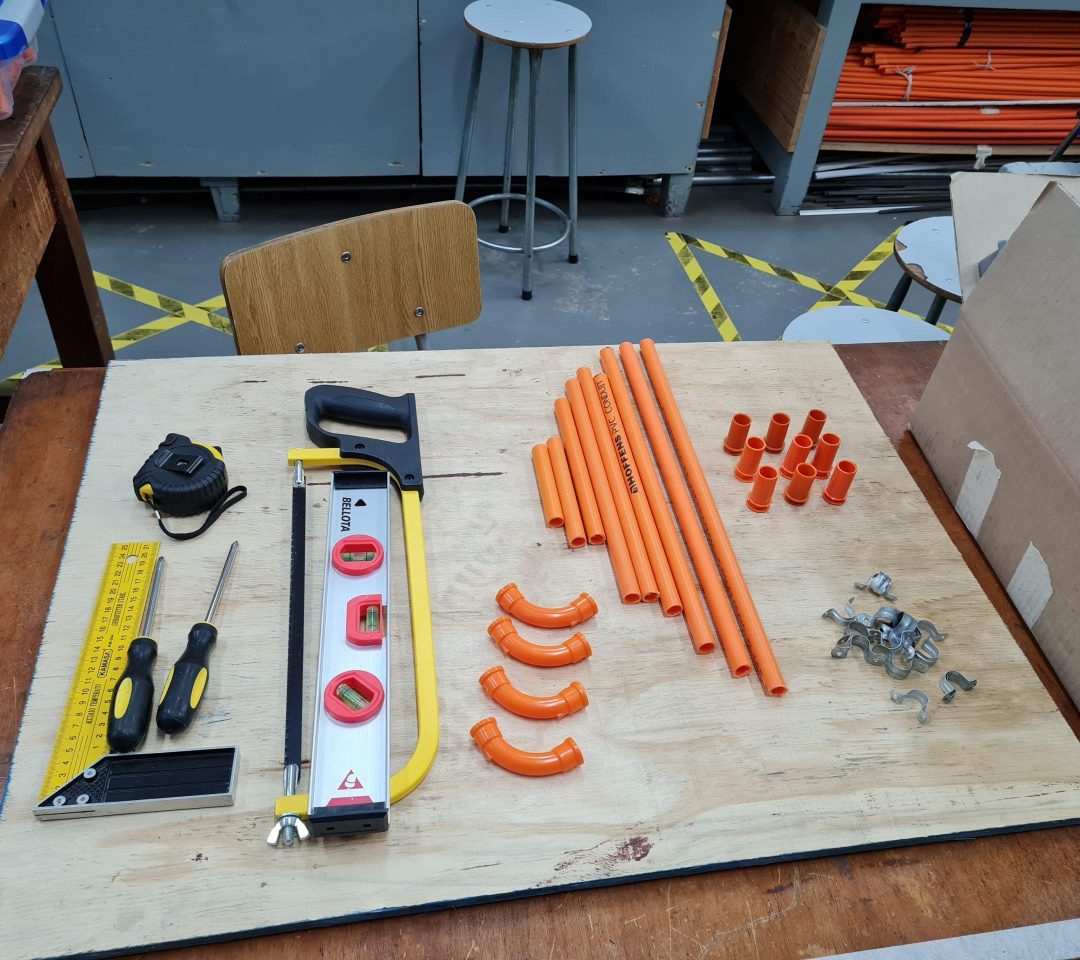
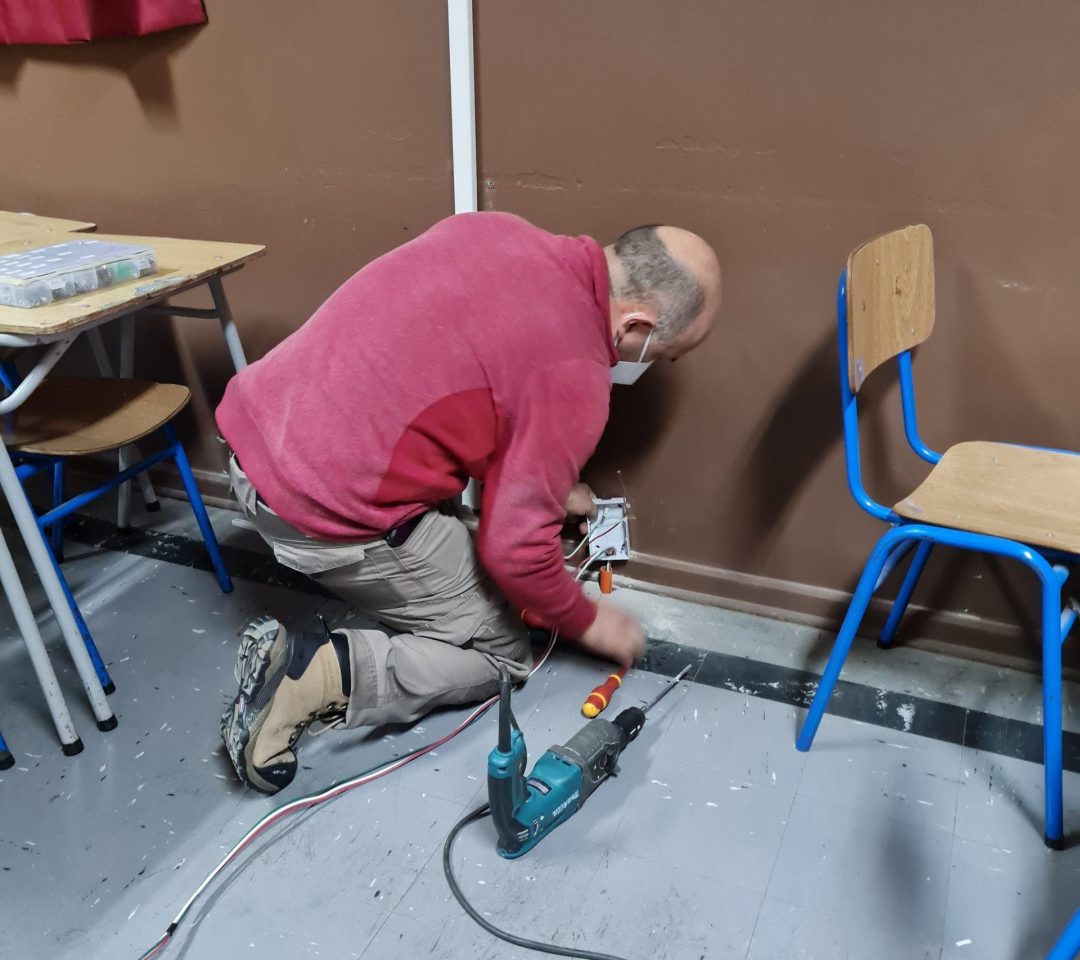
- Maintain and replace single-phase and three-phase electrical components, equipment and systems, using the appropriate tools, instruments and supplies, considering maintenance guidelines, procedures, technical specifications, manufacturers’ recommendations, regulations and safety standards.
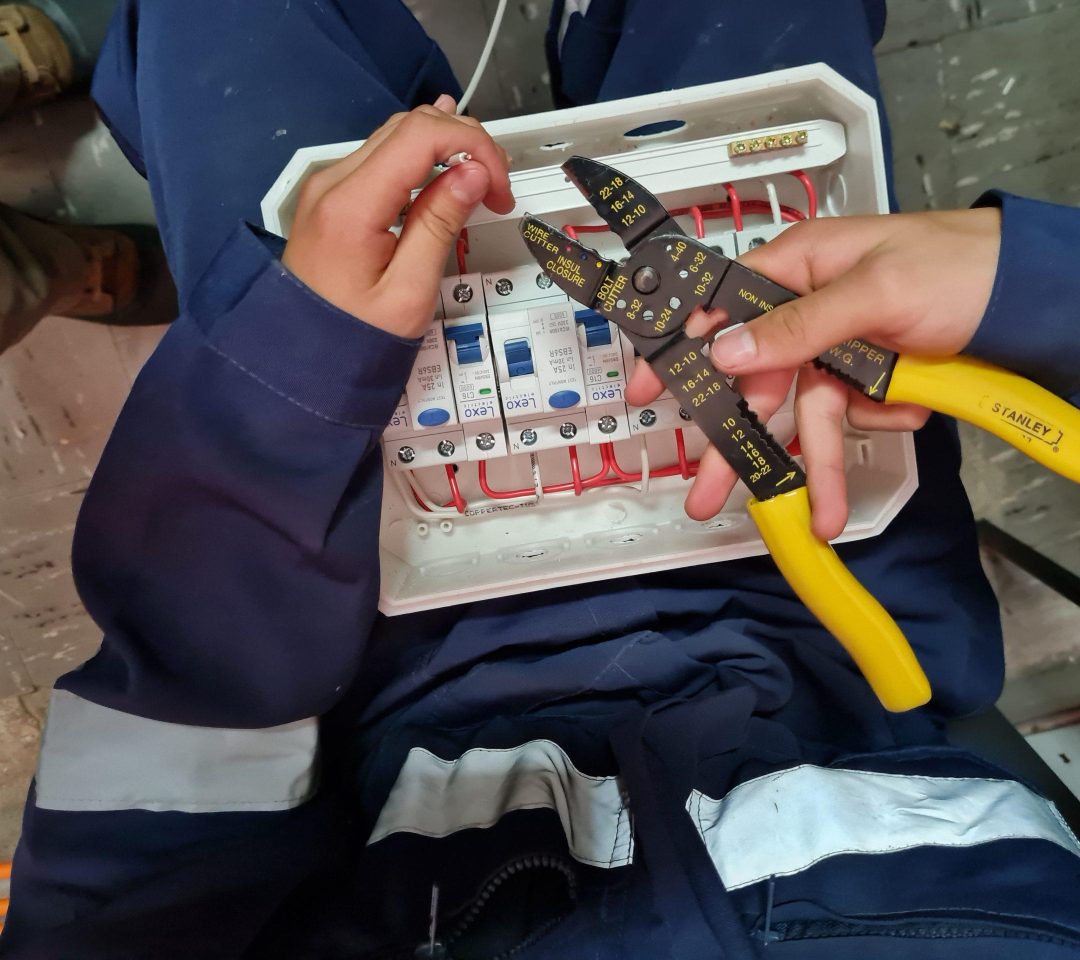
- Execute control systems, power and electrical protections of machines, equipment and electrical installations according to the project requirements and manufacturer’s specifications, respecting the electrical and environmental control regulations in force.
- Modify programs and parameters in electrical and electronic equipment and systems used in process control, according to the operational requirements of the equipment or plant and current electrical regulations.
Required equipment for this Specialty
- 1 Chilean electrical standard in force, recent edition.
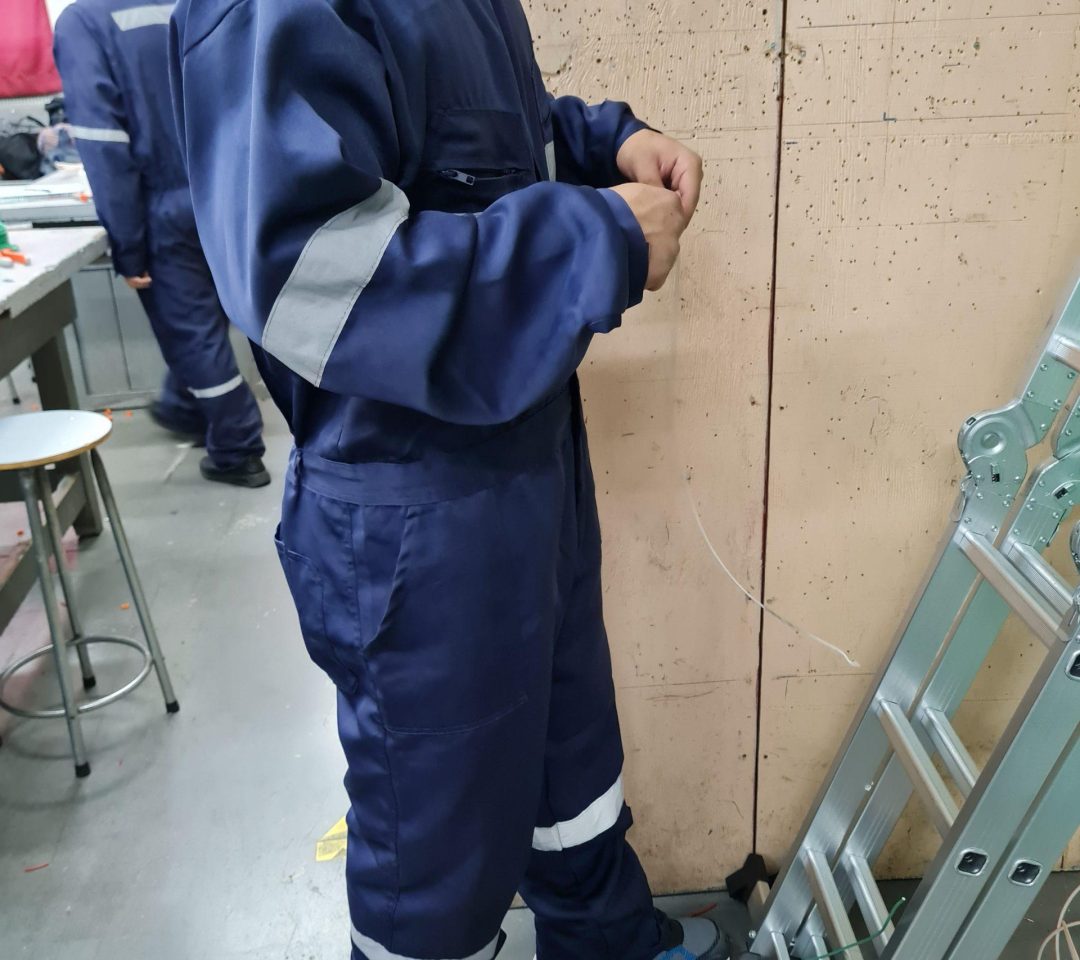
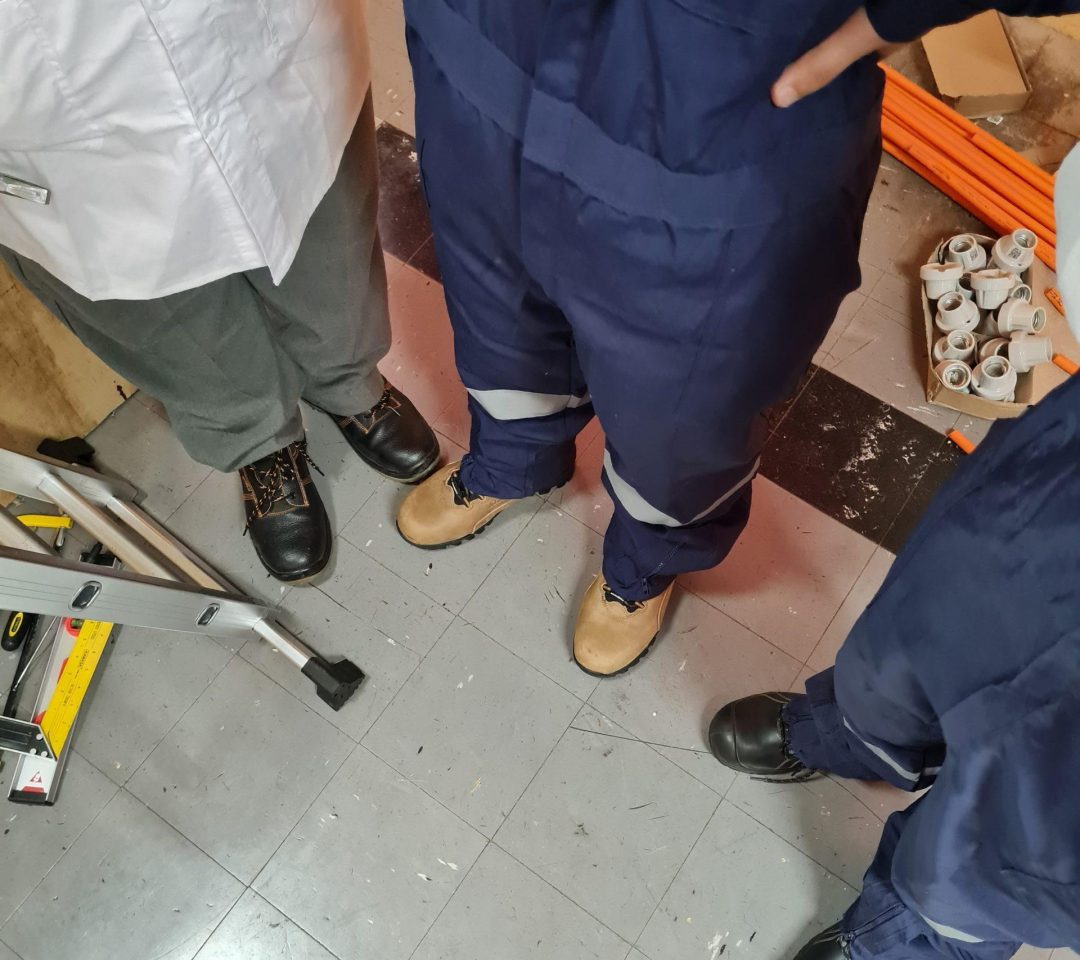
- 1 Blue apron.
- 1 Black cotton T-shirt with institute insignia, logo and name of the Specialty.
- 1 Pair of safety shoes.
- 1 Par de guantes de cabritilla (no se acepta de otro tipo).
- 1 Transparent goggles.
- 1 Scientific calculator.
- 1 Plastic semicircle protractor (only 4th grade).
At the end of the course you will obtain the title of:
MEDIUM LEVEL ELECTRICAL TECHNICIAN
"What I enjoyed most about studying electricity was the opportunity to work with my hands and learn practical skills. I learned how to work with different tools and equipment, how to interpret electrical diagrams and how to follow building codes. Now, I have my own electrical business and I am excited to offer high quality services to my customers."
"Studying electricity was a challenge, but it was worth it. I learned how to work with complex electrical circuits, how to troubleshoot and how to perform safe and efficient installations. Currently, I work for an electrical service company and I am excited to continue to grow in my career."
"Studying electrical was one of the best decisions I have ever made. I learned valuable skills that have allowed me to work on a variety of projects and tasks. Now, I work for a renewable energy company and I am excited to be at the forefront of the transition to a more sustainable economy."
Previous
Next
Multimedia content